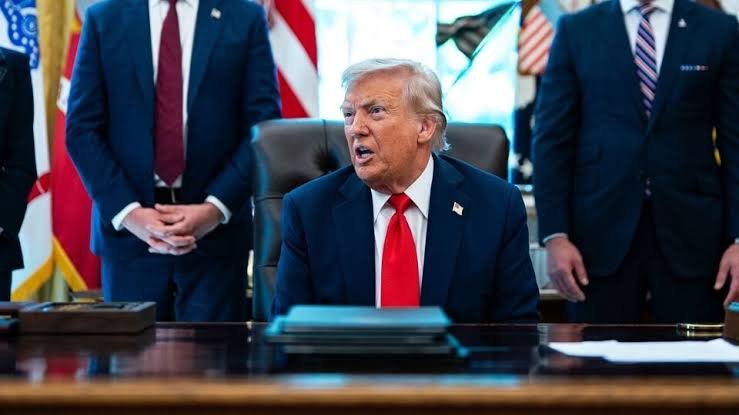
Trump Administration Proposes Fixed Visa Terms for International Students: What It Means for Indian Students
The United States has long been one of the most preferred destinations for higher education among international students, especially those from India. Every year, hundreds of thousands of Indian students travel to the U.S. to pursue undergraduate, postgraduate, doctoral, research, and medical education.
Recently, the Trump administration announced a proposal that could significantly change how international student visas are managed. Instead of allowing students to remain in the U.S. for the “Duration of Status (D/S)”—which generally lasts as long as they maintain valid student status—the proposal would introduce fixed visa validity periods, with many students needing to apply for extensions if their studies continue beyond the initial visa term.
Although the proposal has attracted considerable attention, it is important to understand that these are proposed regulatory changes and that implementation may depend on further administrative and legal processes.
This article explains what has been proposed, who may be affected, and what Indian students should know before planning their education in the United States.
What Is the Current Student Visa System?
Under the current system, most students studying in the United States on F-1 Student Visas are admitted under a policy called Duration of Status (D/S).
This means students can legally remain in the U.S. as long as they:
Continue studying full-time.
Maintain valid immigration status.
Follow university regulations.
Comply with U.S. immigration laws.
Students do not normally need to apply for a new immigration status simply because their degree program takes longer than expected.
This system has provided flexibility for students pursuing long academic programs.
What Has Been Proposed?
The proposed rule would replace the current Duration of Status system with fixed periods of authorized stay.
According to reports, many international students would receive authorization for a limited period (commonly discussed as up to four years in many cases). Students whose programs continue beyond that period may need to request an extension before completing their studies.
The proposal also includes additional reporting and compliance requirements aimed at strengthening immigration oversight.
Why Is the U.S. Government Introducing These Changes?
According to the U.S. administration, the proposal aims to:
Improve immigration monitoring.
Prevent misuse of student visas.
Increase accountability.
Strengthen national security.
Ensure that visa holders maintain their academic status.
Supporters believe fixed visa terms will improve oversight of international students.
Concerns Raised by Universities
Many universities and higher education organizations have expressed concerns regarding the proposal.
Some of the commonly discussed concerns include:
Increased Administrative Burden
Students may need to complete additional paperwork for visa extensions.
Greater Uncertainty
Students enrolled in longer academic programs could face uncertainty regarding future immigration approvals.
Impact on Research
Many PhD students participate in research projects lasting five to seven years. Extension requirements could create additional planning challenges.
Global Competition
Countries such as Canada, Australia, Germany, and the United Kingdom continue to attract international students through relatively flexible immigration pathways.
Some experts believe additional visa uncertainty could influence where students choose to study.
How Could Indian Students Be Affected?
India is one of the largest sources of international students in the United States.
Indian students enroll in:
Computer Science
Artificial Intelligence
Engineering
Medicine
Business Administration
Public Health
Data Science
Biotechnology
Many of these programs extend beyond two years.
Students pursuing research-intensive degrees may need additional immigration documentation if the proposal is implemented.
However, students should remember that admission to a university and visa approval remain separate processes.
A student admitted by a university would still need to comply with U.S. immigration requirements.
Programs That Could Be Most Affected
If implemented, longer academic programs could experience greater impact.
These include:
PhD Programs
Combined Master’s + Research Programs
Medical Research Fellowships
Long-term Laboratory Research
Certain Engineering Doctoral Programs
Students enrolled in shorter bachelor’s or master’s programs may experience comparatively fewer practical changes, although individual circumstances can vary.
Should Students Cancel Their U.S. Study Plans?
No.
At present, there is no reason for students already preparing for admission to panic.
The United States continues to offer:
World-class universities
Advanced research opportunities
Excellent faculty
Strong employment prospects
High-quality innovation ecosystem
Students should simply remain informed about immigration updates while preparing their applications.
Educational decisions should be based on academic goals rather than speculation.
Important Advice for Students
Students planning to study in the U.S. should:
Apply early.
Keep all immigration documents updated.
Maintain continuous enrollment.
Follow university guidance carefully.
Consult official U.S. immigration resources for updates.
Avoid relying on social media rumors.
Is This the End of International Education in America?
Absolutely not.
The United States remains home to many of the world’s highest-ranked universities.
International students continue to make significant contributions to research, innovation, healthcare, and technology.
Even if immigration procedures become more structured, the demand for U.S. education is expected to remain strong because of the quality of education and career opportunities available.
Could the New Visa Policy Affect Doctors Preparing for the USMLE?
This is one of the most common questions being asked by Indian MBBS students and doctors.
The short answer is:
No, the proposal does not change the USMLE examination, ECFMG certification process, or residency eligibility.
However, if the proposed visa rules are implemented as announced, there could be indirect implications for some international medical graduates (IMGs), particularly during different stages of their journey to becoming licensed physicians in the United States.
It is important to distinguish between the USMLE examination process and U.S. immigration rules. The USMLE is administered by the Federation of State Medical Boards (FSMB) and the National Board of Medical Examiners (NBME), while visa regulations are governed by the U.S. Department of Homeland Security and the Department of State.
Will USMLE Step 1 or Step 2 Eligibility Change?
No.
At the time of writing, there is no official announcement indicating any changes to:
USMLE Step 1 eligibility
USMLE Step 2 CK eligibility
ECFMG certification requirements
Residency Match eligibility
Indian medical graduates can continue preparing for the examination according to the existing eligibility criteria.
Possible Indirect Impact on USMLE Aspirants
Although the examination itself is unaffected, some aspects of training in the United States may require additional planning if visa rules become more restrictive.
1. Clinical Electives
Many Indian MBBS students travel to the U.S. for clinical electives during medical school.
If visa validity periods become shorter or extension procedures become more complex, students may need to plan these rotations well in advance.
2. Observerships
International medical graduates often participate in observerships before applying for residency.
Future visa documentation requirements could potentially increase administrative planning for these visits.
3. Research Positions
Many Indian doctors spend one or two years conducting research in the U.S. before applying through the National Resident Matching Program (NRMP).
Longer research appointments may require careful visa management if fixed periods of stay are introduced.
4. Residency Interviews
Applicants frequently travel to the United States for interviews or institutional visits.
Depending on future immigration rules, applicants should ensure their travel documents remain valid throughout the residency application cycle.
What About Residency Training?
Many international medical graduates enter residency programs using J-1 Exchange Visitor visas or, in some cases, H-1B visas.
As of now:
No official change has been announced to residency visa categories because of this proposal.
Existing residency sponsorship processes remain unchanged unless separate immigration policies are introduced.
Applicants should continue following updates from ECFMG, residency programs, and official U.S. government agencies.
Advice for Indian MBBS Students
If you are planning your USMLE journey:
Focus first on building a strong academic foundation.
Prepare thoroughly for USMLE Step 1 and Step 2 CK.
Gain quality clinical experience.
Develop a competitive research profile if possible.
Keep all travel and immigration documents updated.
Follow only official announcements from ECFMG, NBME, FSMB, and U.S. immigration authorities.
Avoid making major career decisions based solely on news headlines or social media speculation.
Frequently Asked Questions (FAQs)
Q1. Has the USMLE syllabus changed because of the new visa proposal?
Answer: No. There has been no change to the USMLE syllabus or examination pattern.
Q2. Will Indian doctors still be able to apply for U.S. residency?
Answer: Yes. The proposal does not alter residency eligibility or the NRMP Match process.
Q3. Will ECFMG certification be affected?
Answer: No official changes have been announced regarding ECFMG certification.
Q4. Should students stop preparing for the USMLE?
Answer: No. Students should continue their preparation while monitoring official updates on immigration policies.
Q5. Will this affect doctors already studying in the U.S.?
Answer: The exact impact will depend on the final form of any implemented regulations and each individual’s visa status.
Expert Analysis
The United States continues to face a shortage of healthcare professionals in several specialties and regions. International Medical Graduates (IMGs) play an important role in the U.S. healthcare system.
While immigration policies may evolve over time, demand for qualified doctors, researchers, and healthcare professionals is expected to remain significant. Students should therefore prioritize academic excellence, strong USMLE scores, clinical experience, and careful immigration planning.
Final Thoughts
The Trump administration’s proposal to replace the “Duration of Status (D/S)” system with fixed visa terms represents a potentially significant shift in U.S. immigration policy for international students. If implemented, it may require additional planning for students enrolled in longer academic programs.
For Indian MBBS graduates and doctors preparing for the USMLE, there is no evidence that the examination, ECFMG certification, or residency eligibility has changed. The possible effects are indirect, relating mainly to visa planning for clinical electives, research positions, observerships, and long-term training in the U.S.
Students should rely on official announcements rather than rumors, stay informed about policy developments, and continue working toward their educational and professional goals.